

Manufacturers rely on precision machinery, automation systems, and production assets to maintain throughput, quality, and operational efficiency. As production demands fluctuate and technology advances, organizations must balance capital investment in equipment with disciplined cash flow management.
NFS Capital provides manufacturing equipment financing for business-critical projects starting at $150,000, including individual equipment acquisitions, production-line upgrades, multi-vendor projects, automation initiatives, and equipment tied to growth or expansion.
Manufacturing equipment financing provides production-driven organizations with structured access to essential machinery without requiring full upfront capital expenditure. Through equipment leases or secured financing arrangements, manufacturers can acquire, upgrade, or scale equipment while aligning payments with production schedules and long-term operational strategy.
This approach is commonly used by manufacturers operating active production environments where equipment utilization, contract fulfillment, and capacity planning directly impact revenue performance.
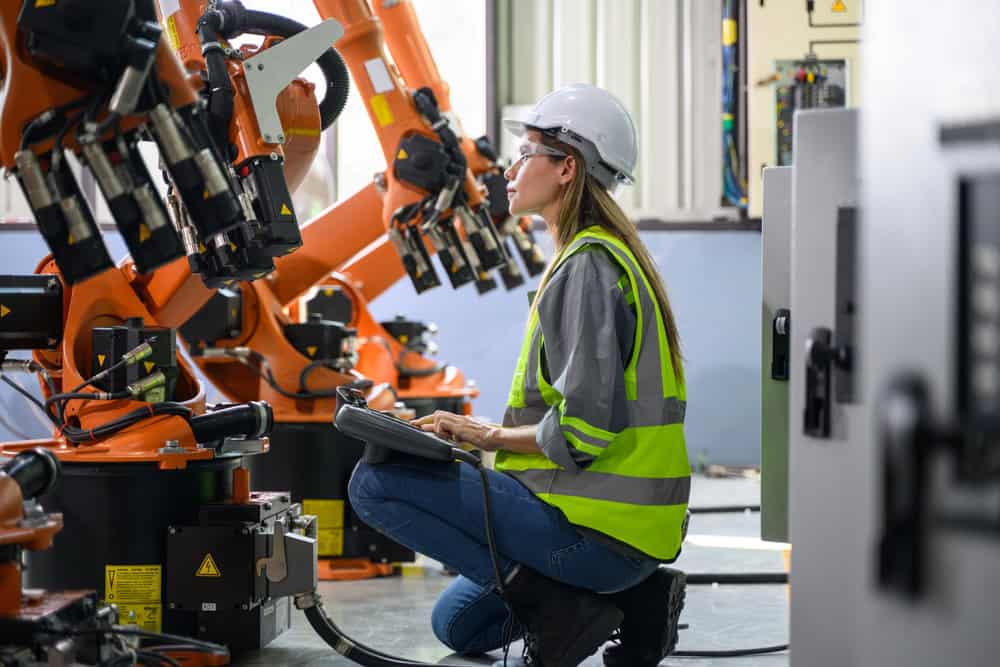
Financing manufacturing equipment to modernize manufacturing operations.
Manufacturing operations are capital-intensive and equipment-driven.
— Cash Preservation: Preserve working capital for materials, payroll, and inventory
— Upfront Capital: Reduce large upfront equipment expenditures
— Technology Access: Upgrade automation and production systems without operational disruption
— Payment Alignment: Align financing with production schedules, contract cycles, or expansion plans
— Growth Support: Add production capacity to support new contracts, customers, or expansion
Structured financing enables production expansion while maintaining liquidity and operational continuity.
NFS Capital structures flexible manufacturing equipment financing solutions to align with how production facilities operate. Manufacturing projects often involve complex equipment needs, integration timelines, and capacity-expansion initiatives that require flexibility beyond conventional lending models.
This flexibility extends to fast manufacturing equipment financing when production timelines are tight, and to complex credit equipment financing for manufacturers with strong operational fundamentals but an imperfect credit history.
Manufacturing financing supports a wide range of production and industrial assets, including:
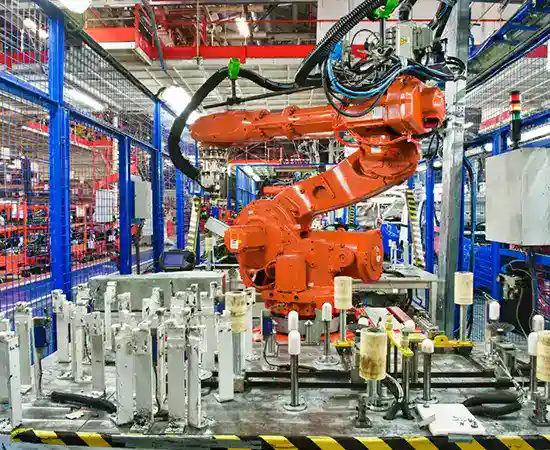
Computer Numerical Control (CNC) Machines & Machining Equipment
CNC lathes, milling centers, multi-axis machining systems, grinding and finishing machines

Robotics & Automation Systems
Robotic arms, vision systems, automated production lines, conveyor and assembly systems

Fabrication & Metalworking Equipment
Bending and cutting machinery, welding systems, press brakes, laser cutting equipment

Packaging & Processing Lines
Bottling and labeling systems, filling equipment, integrated packaging lines

Material Handling Equipment
Forklifts, conveyors, internal logistics systems
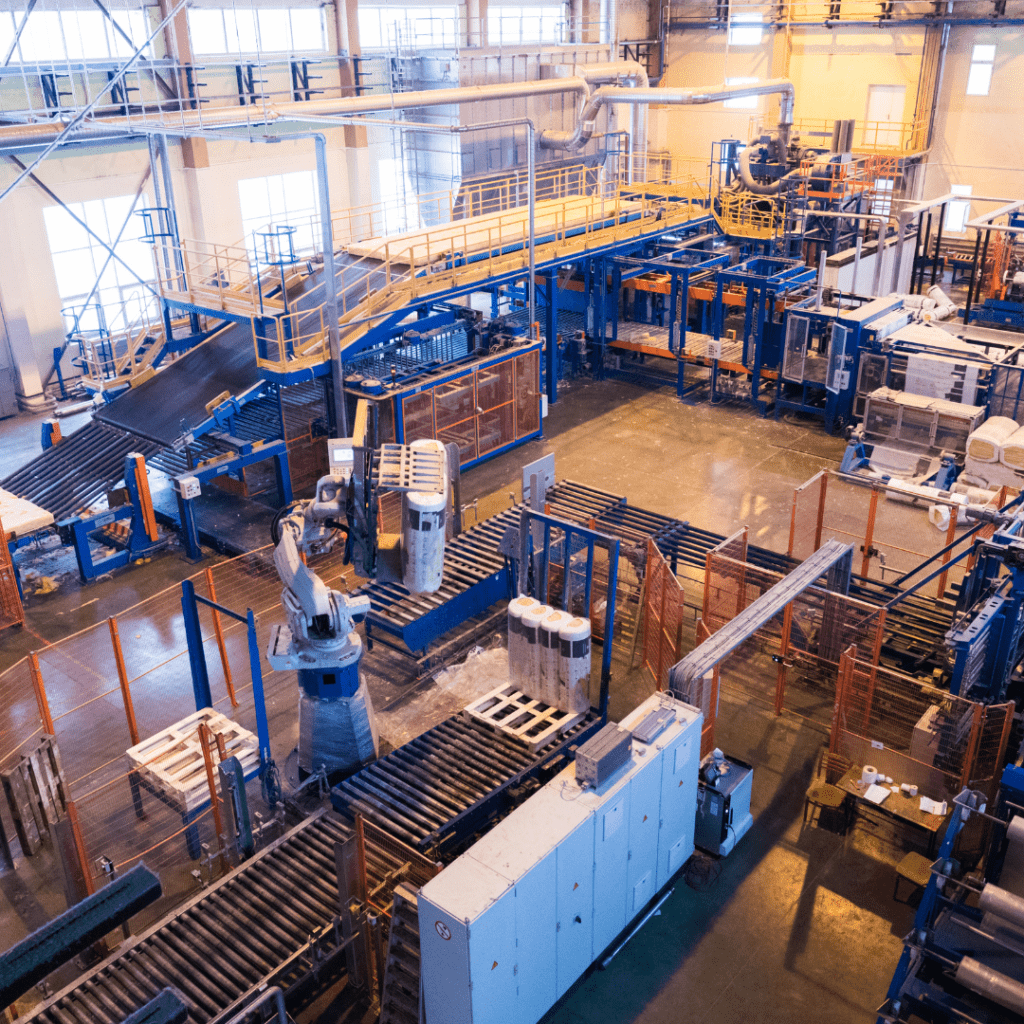
Industrial Presses & Molding Systems
Injection molding machines, hydraulic and mechanical presses
Equipment structures are aligned with production demand, lifecycle expectations, and technology upgrade cycles.
Manufacturing financing is typically used by organizations where machinery and production assets are central to revenue generation.
Mid-Market and Enterprise Manufacturers
Operations implementing automation, expanding capacity, or modernizing production lines.
Growth-Stage Manufacturers
Companies scaling output to meet new contracts or entering new markets.
Specialized Fabricators and Production Facilities
Organizations operating in asset-intensive environments requiring consistent throughput and equipment reliability.
Qualification focuses on operational performance, contract visibility, and the asset’s role in production rather than solely on traditional credit metrics.

“Manufacturing environments depend on efficiency, quality control, and disciplined capital planning. Financing should complement that foundation and align with production cycles and long-term investment strategy, enabling sustainable growth with confidence.”
– Eric Renaud, Chief Credit Officer, NFS Capital
EQUIPMENT LEASES
Provide access to machinery with end-of-term flexibility to purchase, renew, or upgrade.
SECURED LOANS
Support ownership strategies while using the equipment as collateral.
SALE-LEASEBACK
Unlock capital from owned equipment while allowing continued operational use.
VENDOR FINANCING PROGRAMS
Enable coordinated equipment acquisition through partnerships with manufacturers or suppliers.
UP TO 100% EQUIPMENT FINANCING
May include equipment, delivery, and installation costs within a single structured arrangement.
| Business need | Financing approach to consider | Preserve cash for operations | Equipment lease or up to 100% financing |
|---|---|
| Own the equipment long term | Secured equipment loan or capital lease |
| Finance a time-sensitive purchase | Expedited equipment financing review |
| Fund equipment tied to growth or expansion | Structured equipment financing |
| Manage multiple purchases over time | Master lease agreement |
| Unlock capital from owned equipment | Sale-leaseback |
| Include soft costs such as installation, delivery, or setup | Project-based equipment financing, when appropriate |
To begin, provide NFS Capital with the estimated financing amount, equipment or vendor information, intended use, desired timing, and basic information about your business.
This initial information helps our team understand the project and determine the most appropriate next steps.
NFS Capital’s manufacturing equipment financing process is designed to move from initial project review through documentation and funding.
Project Review
We review the equipment, vendors, financing amount, intended use, production requirements, and desired timing.
Business And Credit Evaluation
Our team considers operating history, management experience, financial performance, collateral, equipment utilization, and the role the equipment will play in production and growth.
Financing Structure And Documentation
NFS Capital develops a financing structure aligned with the equipment, cash flow, production requirements, and anticipated deployment schedule.
Funding And Vendor Coordination
We coordinate documentation and funding with the customer and equipment vendors. Multi-vendor purchases, phased installations, and project-based funding may be accommodated when appropriate.
A multi-site precision machining platform serving power generation and aerospace markets had secured an OEM capacity extension agreement requiring a production ramp at its Maine facility. The manufacturer needed new high-precision machining equipment while preserving working capital needed to support the ramp.
NFS Capital structured $1,239,565 in financing for a Niigata HN1000S horizontal machining center through a 60-month Equipment Finance Agreement. The equipment added production capacity to support the contracted OEM program.
Company Type Multi-site precision manufacturer serving power generation and aerospace markets
Equipment Financed Niigata HN1000S horizontal machining center
Financing Amount $1,239,565
Business Objective Expand machining capacity to fulfill an OEM capacity extension agreement
Financing Structure 60-month Equipment Finance Agreement
Business Support OEM capacity extension agreement; $75M+ revenue platform with contracted demand
Business Impact First unit in production fulfilling the OEM agreement; three additional units planned under the same program
Source: NFS Capital closed transaction data. Company name and identifying details not disclosed.
Manufacturers operating registered businesses with active production environments typically qualify. The evaluation considers operational performance and project scope, in addition to traditional financial metrics.
CNC machines, robotics, automation systems, presses, packaging lines, material handling equipment, and other production assets.
Equipment leases, secured loans, sale-leasebacks, and vendor programs structured around production timelines.
Payment structures can be aligned with contract schedules, expansion milestones, or anticipated throughput increases.
Certain financing structures may qualify under Section 179 of the U.S. Tax Code. Organizations should consult tax advisors for guidance specific to their situation.
NFS Capital helps businesses finance business-critical equipment, including complex-credit situations, time-sensitive projects, and equipment needs tied to operations, growth, or expansion.
By using this website, you accept NFS Capital, LLC’s Website Terms of Use, Privacy Policy and Privacy Policy and Notice at Collection for California Residents. NFS Capital, LLC uses cookies which are essential for our website to function. With your consent, we and third parties may also use non-essential cookies to collect information about you and your browsing activities, and improve the content, functionality, and performance of our website. By clicking “Accept All”, you consent to the use of all cookies on our website as set out in our Website Terms of Use, Privacy Policy and Privacy Policy and Notice at Collection for California Residents. You can reject all non-essential cookies by clicking “Reject All”. Choose “Manage Cookies” to view and customize your cookie settings.
Manage your cookie preferences below:
Essential cookies enable basic functions and are necessary for the proper function of the website.
CloudFlare provides web performance and security solutions, enhancing site speed and protecting against threats.
Service URL: developers.cloudflare.com (opens in a new window)
Google Tag Manager simplifies the management of marketing tags on your website without code changes.
WPForms is a user-friendly WordPress plugin for creating custom forms with drag-and-drop functionality.
Statistics cookies collect information anonymously. This information helps us understand how visitors use our website.
Google Analytics is a powerful tool that tracks and analyzes website traffic for informed marketing decisions.
Service URL: policies.google.com (opens in a new window)
Google Tag Manager simplifies the management of marketing tags on your website without code changes.
Marketing cookies are used to follow visitors to websites. The intention is to show ads that are relevant and engaging to the individual user.
Google Ads is an online advertising platform that enables businesses to create targeted ads displayed on Google search results and partner sites.
Service URL: policies.google.com (opens in a new window)
LinkedIn Insight is a web analytics service that tracks and reports website traffic.
Service URL: www.linkedin.com (opens in a new window)