
Industrial automation and robotics systems are increasingly central to manufacturing, logistics, and regulated production environments. As organizations invest in precision, throughput, and labor efficiency, automation projects must be balanced against capital planning and operational liquidity.
NFS Capital provides industrial automation and robotics equipment financing for business-critical projects starting at $150,000, including robotic systems, automation cells, material handling systems, controls, machine vision, multi-vendor projects, and qualified integration costs.
Industrial automation and robotics equipment financing provides organizations with structured access to robotic systems, automated machinery, and supporting technologies without large upfront capital expenditures. Financing structures such as leases or loans spread costs over time while enabling earlier deployment of automation through flexible industrial automation equipment financing solutions. This approach is commonly used by organizations implementing automation within active production environments and long-term operational strategies.
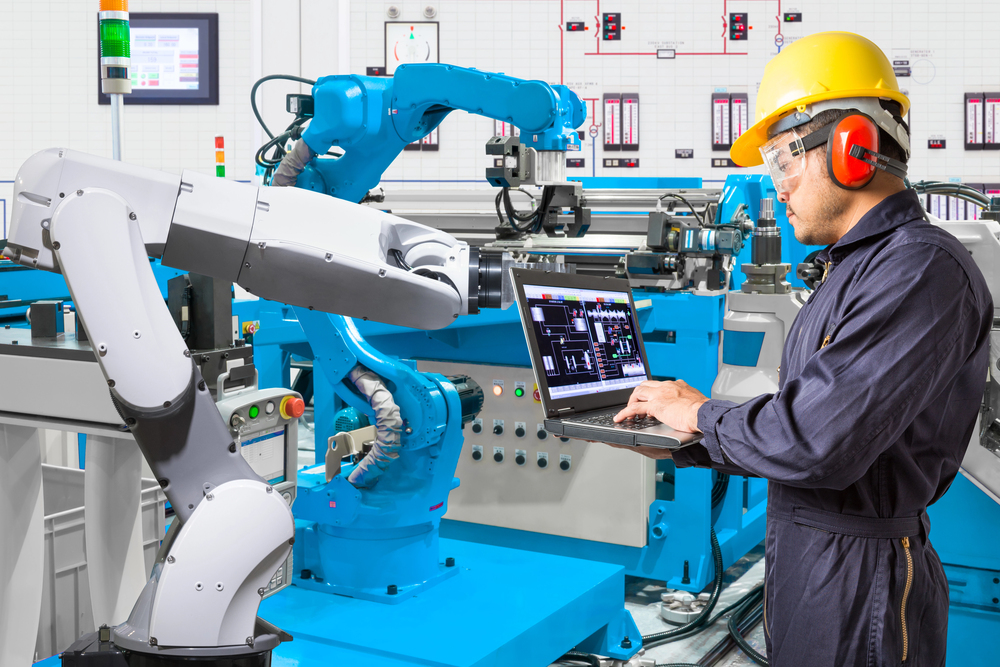
Financing industrial automation & robotics equipment to modernize robotics operations.
Industrial automation projects are capital-intensive and often deployed in phases. Financing enables organizations to implement automation sooner while managing financial risk.
— Cash Preservation: Preserve working capital for labor, inventory, and operations
— Upfront Capital: Reduce large upfront expenditures for automation systems and integration
— Payment Alignment: Align payments with production ramp-up, contract milestones, or deployment schedules
— Technology Access: Deploy or upgrade robotics and automation systems without delaying modernization
— Growth Support: Expand capacity, throughput, or labor efficiency as operational needs evolve
Financing supports automation as an ongoing operational capability rather than a one-time capital event.
NFS Capital structures industrial automation and robotics financing based on how projects are implemented in real production environments. Automation deployments often involve phased timelines, multiple vendors, and integration complexity that traditional lenders struggle to evaluate.
In-house credit decisions support fast industrial automation equipment financing when timelines are tight, including complex credit equipment financing for businesses whose financing needs may not fit traditional bank requirements.
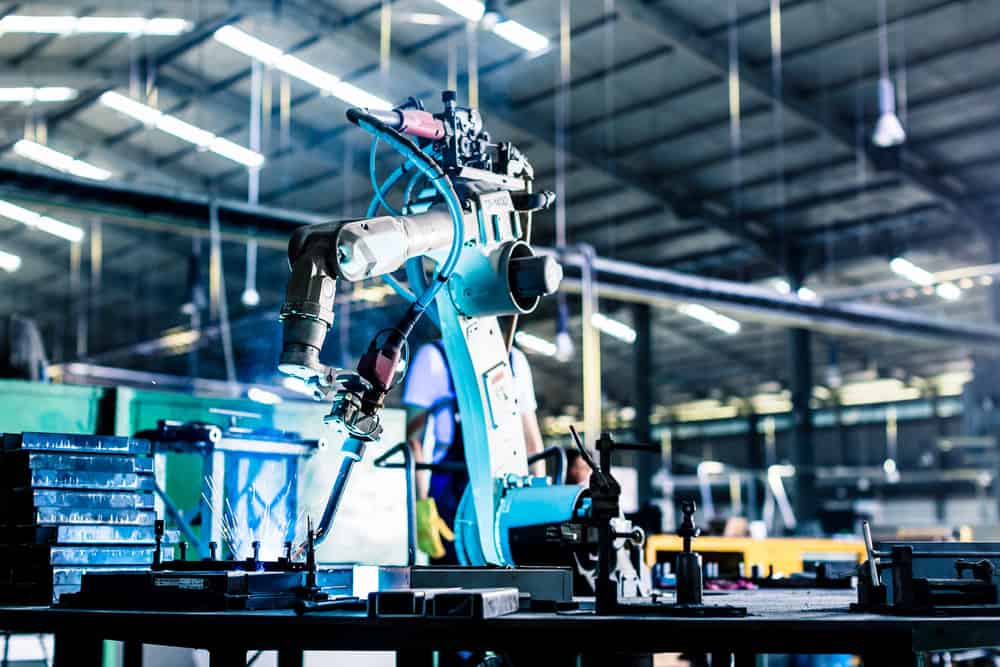
Robots & Robotic Cells
Articulated robots, selective compliance assembly robot arm (SCARA) robots, delta robots, and collaborative robots used for assembly, welding, packaging, and material handling.

Material Handling & Conveyance Systems
Conveyors, sortation systems, automated guided vehicles (AGVs), autonomous mobile robots (AMRs), and automated storage and retrieval systems (AS/RS) used in manufacturing and logistics environments.
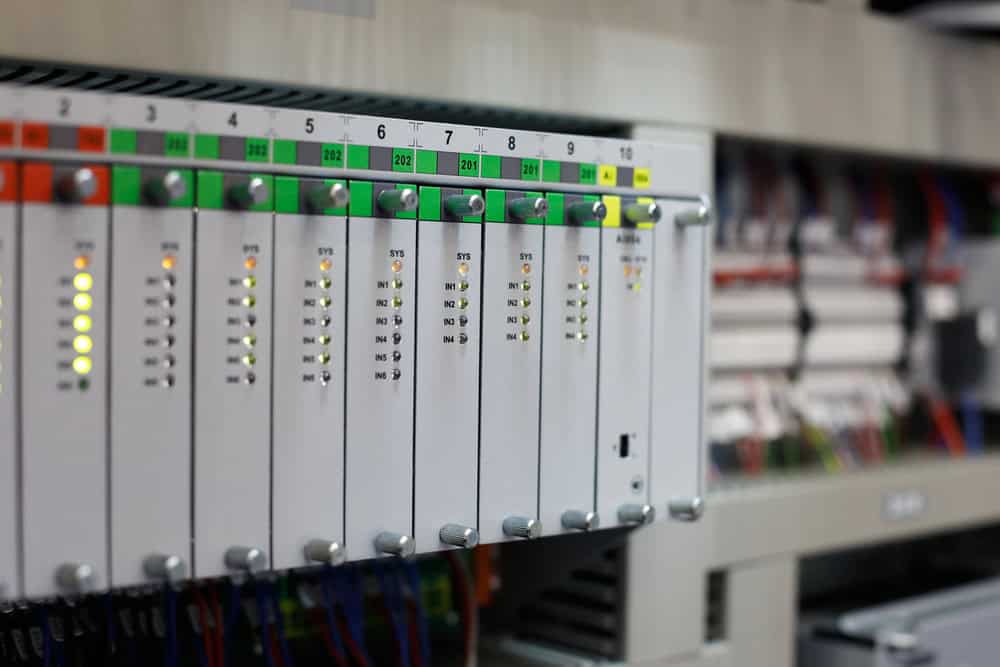
Control Systems & Motion Equipment
Programmable logic controllers (PLCs), human-machine interfaces (HMIs), servo drives, motor controls, and automation hardware supporting precision and safety.

Machine Vision & Inspection Systems
Optical inspection systems, sensors, cameras, and AI-enabled quality control technologies.
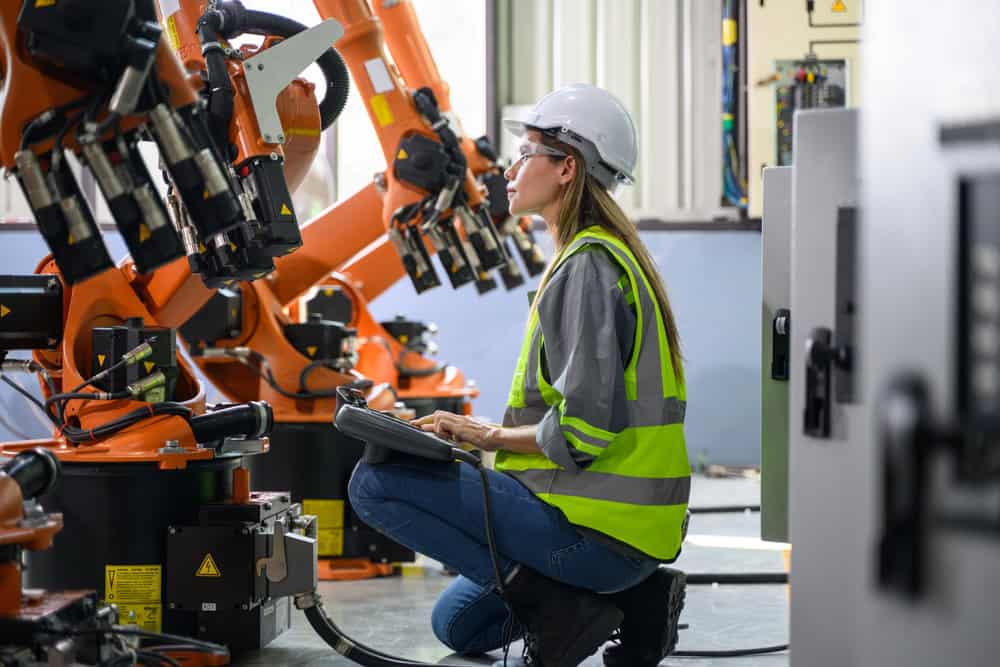
Integration, Retrofits, & Soft Costs
Programming, installation, safety systems, guarding, and qualified integration expenses that may be included within a single financing structure.
Manufacturers
Manufacturers ranging from mid-market facilities to enterprise-scale operations implementing automation to increase throughput, quality, and consistency.
Logistics, Warehousing, and Third-Party Logistics (3PLs)
Operators deploying automation to improve fulfillment speed, accuracy, and labor efficiency.
Life Sciences and Medical Manufacturing
Organizations using precision automation to meet regulatory, quality, and cleanroom requirements.
Automation Integrators
System integrators and technology firms financing equipment for large customer deployments or internal test environments.
Turnaround and Expansion-Stage Companies
Businesses modernizing operations while managing liquidity constraints.

“Automation initiatives demand coordination, integration, and disciplined execution across complex systems. Capital should support that complexity and align with phased deployment and long-term operational performance, enabling progress with confidence.”
– Eric Renaud, Chief Credit Officer, NFS Capital
EQUIPMENT LEASES
Predictable payments with flexible end-of-term options for upgrades or ownership.
SECURED LOANS
Asset-backed financing for organizations pursuing long-term ownership.
UP TO 100% PROJECT FINANCING
Single-structure financing that may include equipment, installation, and integration costs.
CUSTOM END-OF-TERM OPTIONS
Purchase, renewal, or upgrade paths aligned with technology lifecycle planning.
| Business need | Financing approach to consider | Preserve cash for operations | Equipment lease or up to 100% financing |
|---|---|
| Own the equipment long term | Secured equipment loan or capital lease |
| Finance a time-sensitive purchase | Expedited equipment financing review |
| Fund equipment tied to growth or expansion | Structured equipment financing |
| Manage multiple purchases over time | Master lease agreement |
| Unlock capital from owned equipment | Sale-leaseback |
| Include soft costs such as installation, delivery, or setup | Project-based equipment financing, when appropriate |
To begin, provide NFS Capital with the estimated financing amount, equipment or vendor information, intended use, integration requirements, desired timing, and basic information about your business.
This initial information helps our team understand the project and determine the most appropriate next steps.
NFS Capital’s industrial automation and robotics equipment financing process is designed to move from initial project review through documentation and funding.
Project Review
We review the equipment, vendors and integrators, financing amount, intended use, integration requirements, and desired timing.
Business And Credit Evaluation
Our team considers operating history, management experience, financial performance, collateral, equipment utilization, and the role the automation will play in production and growth.
Financing Structure And Documentation
NFS Capital develops a financing structure aligned with the equipment, cash flow, project schedule, integration requirements, and deployment milestones.
Funding And Vendor Coordination
We coordinate documentation and funding with the customer, equipment vendors, and integrators. Multi-vendor purchases, phased deployments, and project-based funding may be accommodated when appropriate.
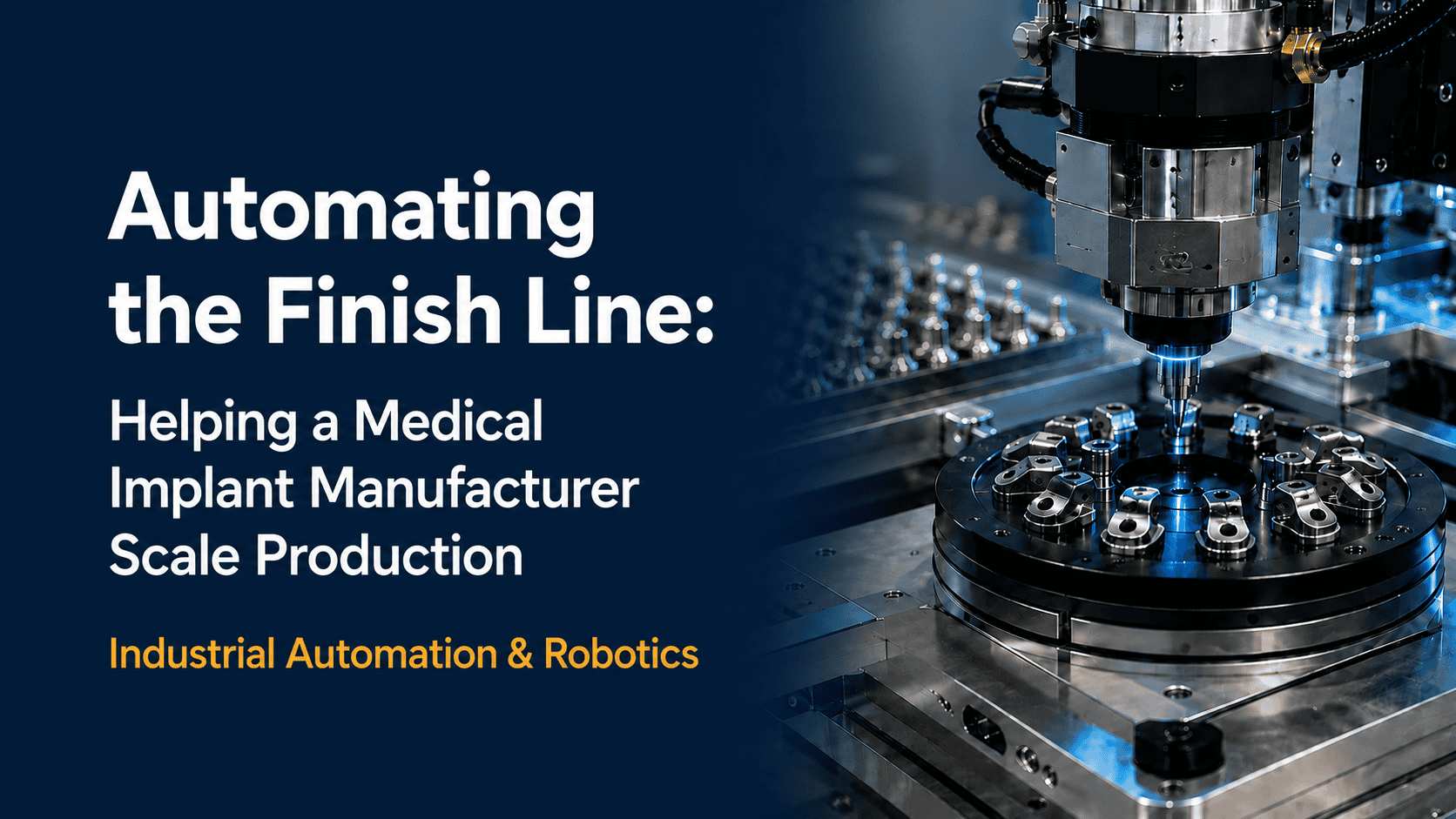
A regulated precision manufacturer serving medical and aerospace markets needed to automate a manual electropolishing process that had become a production bottleneck. A multi-year supply agreement required the company to increase throughput while maintaining the consistency and repeatability required in a regulated production environment.
NFS Capital structured $502,000 in financing for an automated electropolishing system. The equipment helped automate the finishing process, reduce labor requirements, and expand production capacity.
Company Type Regulated precision manufacturer
Equipment Financed Automated electropolishing system
Financing Amount $502,000
Business Objective Automate a manual production bottleneck and increase throughput
Business Support Multi-year supply agreement and more than $1.4 million in active backlog
Business Impact Reduced finishing-line staffing from eight employees to three and increased production from 600 to 1,200 precision components per month
Source: NFS Capital closed transaction data. Company name and identifying details not disclosed.
Companies across manufacturing, logistics, life sciences, and technology sectors may qualify, including growth-stage and project-based businesses.
Terms commonly range from 12 to 84 months, depending on asset type and project scope.
Financing structures can be aligned with milestone-based implementation timelines, allowing funding to be deployed in stages as equipment is delivered, integrated, and commissioned.
In many cases, qualified soft costs may be bundled into a single financing structure.
Automation financing typically begins with a review of the project scope, including equipment specifications, vendor relationships, deployment timelines, and expected operational impact.
Underwriting evaluates not only financial statements but also production goals, integration complexity, and milestone-based implementation schedules.
Funding is coordinated to align with vendor payments, system integration, and commissioning milestones, supporting deployment without disrupting working capital.
NFS Capital helps businesses finance business-critical automation and robotics equipment, including complex-credit situations, time-sensitive projects, phased deployments, and equipment needs tied to operations, growth, or expansion.
By using this website, you accept NFS Capital, LLC’s Website Terms of Use, Privacy Policy and Privacy Policy and Notice at Collection for California Residents. NFS Capital, LLC uses cookies which are essential for our website to function. With your consent, we and third parties may also use non-essential cookies to collect information about you and your browsing activities, and improve the content, functionality, and performance of our website. By clicking “Accept All”, you consent to the use of all cookies on our website as set out in our Website Terms of Use, Privacy Policy and Privacy Policy and Notice at Collection for California Residents. You can reject all non-essential cookies by clicking “Reject All”. Choose “Manage Cookies” to view and customize your cookie settings.
Manage your cookie preferences below:
Essential cookies enable basic functions and are necessary for the proper function of the website.
CloudFlare provides web performance and security solutions, enhancing site speed and protecting against threats.
Service URL: developers.cloudflare.com (opens in a new window)
Google Tag Manager simplifies the management of marketing tags on your website without code changes.
WPForms is a user-friendly WordPress plugin for creating custom forms with drag-and-drop functionality.
Statistics cookies collect information anonymously. This information helps us understand how visitors use our website.
Google Analytics is a powerful tool that tracks and analyzes website traffic for informed marketing decisions.
Service URL: policies.google.com (opens in a new window)
Google Tag Manager simplifies the management of marketing tags on your website without code changes.
Marketing cookies are used to follow visitors to websites. The intention is to show ads that are relevant and engaging to the individual user.
Google Ads is an online advertising platform that enables businesses to create targeted ads displayed on Google search results and partner sites.
Service URL: policies.google.com (opens in a new window)
LinkedIn Insight is a web analytics service that tracks and reports website traffic.
Service URL: www.linkedin.com (opens in a new window)