
The decision is rarely just about the equipment: procedure volume, surgeon adoption or recruitment, service-line growth, and program timing often shape the case for the investment. The total cost can exceed $1 million once related instruments, service components, and training are included, making the financing structure part of the acquisition decision from the start.
We look at the platform being acquired, whether it is a first system, an additional system, or a replacement, the related equipment, the acquisition timeline, and the reasoning behind the investment. Then we work to identify a financing structure that fits the scale and purpose of the transaction.
Organizations from single-site surgical centers to multi-facility health systems can bring us larger equipment financing requests built around a first robotic surgery platform, added robotic capacity, a replacement system, or a broader operating-room technology investment.
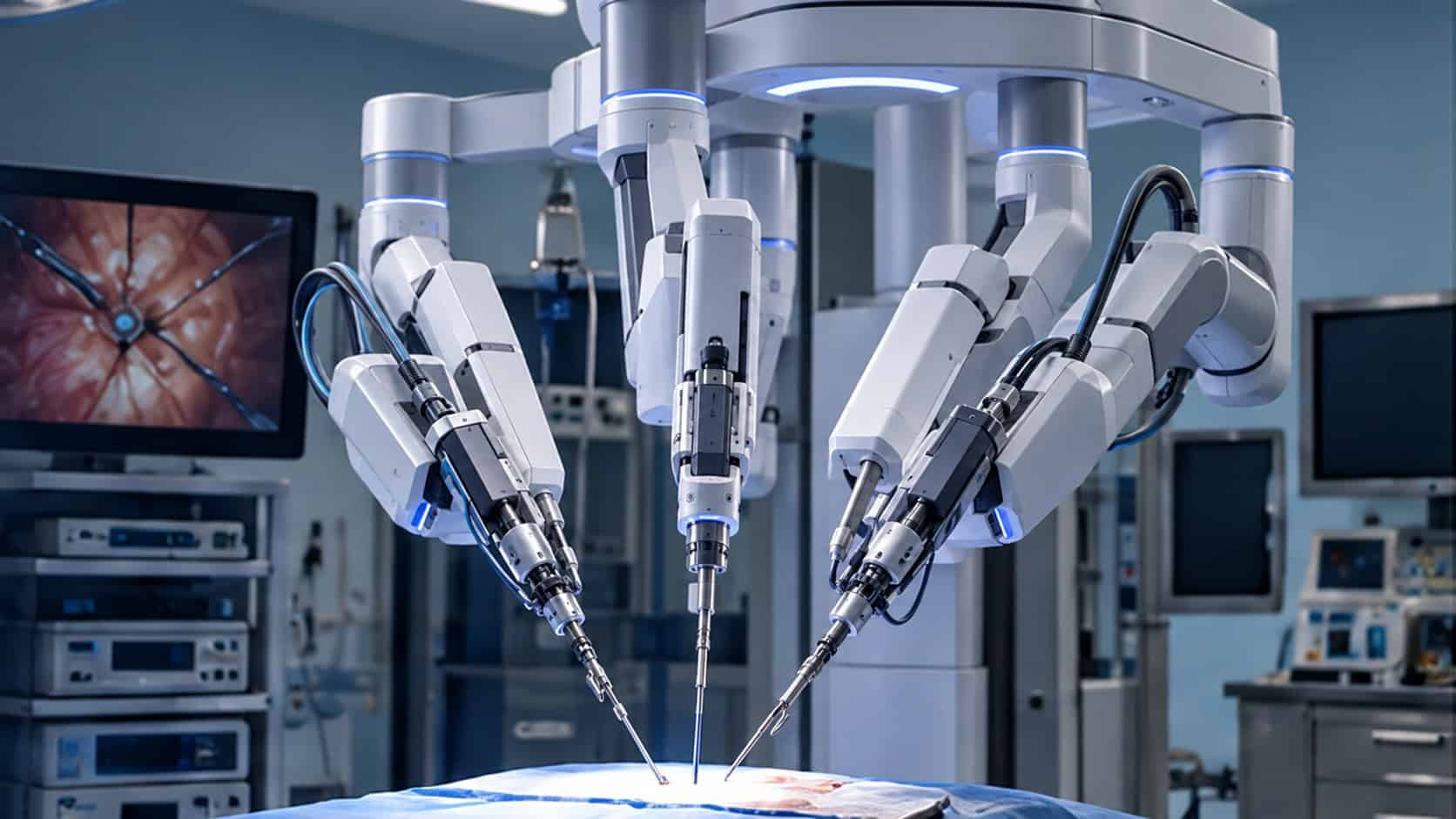
Surgical robot and robotic surgery system financing is designed for hospitals, health systems, and ambulatory surgery centers acquiring a high-value robotic-assisted surgery platform. The financing review considers not only the system being purchased, but also how the organization expects to use it and what the acquisition is meant to accomplish.
Transactions may include the platform itself, instrument and accessory packages, and other related items associated with the acquisition. NFS Capital evaluates the equipment, the facility’s operating profile, how often the system is expected to be used, vendor timing, and service-line strategy together.
NFS Capital works with hospitals, health systems, and ambulatory surgery centers adding, replacing, or upgrading a robotic-assisted surgery system.
We work with organizations that are:
Acquiring a first or additional robotic-assisted surgery system
Expanding into robotic-assisted procedures as a new service line
Replacing or upgrading an existing robotic surgery platform
Financing instrument packages and related equipment alongside the primary system
Expanding surgical capacity to support surgeon recruitment, higher procedure volume, or referral growth
Preserving working capital while acquiring business-critical clinical equipment
Seeking financing after a bank or traditional lender cannot support the transaction
Looking for a lender that evaluates the equipment, procedure demand, operating profile, and overall investment case together
NFS Capital is generally not a fit for consumer purchases, small-ticket clinical equipment requests, or startup requests without operating history, collateral, contracts, sponsor support, or meaningful business support.
Every transaction is different, but NFS Capital finances robotic surgery investments where the platform, facility need, and overall transaction structure support the request, including:
The platform may be a single asset, but the financing case often depends on how the organization expects to put it to work. A first system, an added system, and a replacement platform can each reflect a different pattern of use, capacity need, and service-line goal.
A robotic surgery system may be one equipment purchase, but the full picture is rarely limited to the purchase price. An organization may be adding robotic capacity, recruiting surgeons, expanding a service line, replacing an existing platform, or responding to higher procedure demand. Those factors help explain why the system is needed and how the organization expects to use it.
For a large robotic surgery investment, the financing review may need to consider expected procedure demand, how the system will be used day to day, surgeon adoption or recruitment, service-line strategy, acquisition timing, and the organization’s operating and cash-flow profile. A first system can present a very different picture from an additional platform being acquired to support an established program or growing capacity need.
NFS Capital evaluates the equipment alongside the reasoning behind it. We look at the platform, the organization’s operating history and financial profile, expected procedure volume and day-to-day use, the service-line goal, and the timing behind the acquisition. The goal is a financing structure that supports the equipment need while recognizing how the investment fits into the organization’s broader surgical strategy.
Other complex clinical equipment projects, such as radiation therapy platforms and advanced imaging buildouts, can involve similar program-level financing considerations. Learn more about NFS Capital’s advanced imaging and treatment equipment financing.
A surgical robot may be a single equipment purchase, but the financing case often depends on the clinical program around it. Existing procedure volume, how heavily the system is expected to be used, surgeon recruitment or adoption, service-line expansion, and the timing of the program ramp can all help explain why the investment is needed and how it is expected to support the organization.
The right structure depends on the platform, transaction size, related equipment, facility profile, vendor timing, business profile, cash flow, ownership goals, and the purpose of the acquisition. Depending on the transaction, NFS Capital may offer:
Our goal is to understand the full transaction and identify a structure that supports the equipment need, financial profile, and underlying goal.
NFS Capital uses a straightforward process designed to help businesses understand whether their equipment financing request is a fit.
We review the system being acquired, whether it’s new, added, or replacing an existing platform, related equipment, vendor information, acquisition timing, and the program’s goal.
Our team evaluates the organization’s credit profile, operating history, cash flow, procedure volume, how the system is expected to be used, surgeon and service-line strategy, and other supporting information. We consider the equipment and the reasoning behind it together.
Once approved and documented, NFS Capital works with the organization, vendor, and related parties to coordinate documentation and funding around the acquisition and delivery timeline.
Large robotic surgery investments may not fit neatly within conventional bank or captive financing parameters, particularly when the organization is adding capacity, expanding a service line, or supporting a broader strategic goal. NFS Capital combines equipment-focused underwriting with flexible structuring and a practical review of what’s driving the acquisition.
For robotic surgery systems, NFS Capital provides:
Independent underwriting and flexible structuring for large clinical equipment investments that may not fit conventional bank or captive financing parameters
Story-based underwriting that considers the equipment, operating history, financial profile, procedure volume, day-to-day use, and underlying goal together
Financing for transactions starting at $150K and up to $20M+ for large single-platform and broader clinical capital investments
Review of acquisition purpose, vendor timing, and how the investment fits into the facility’s referral growth and competitive positioning
Flexible financing structures for first systems, added capacity, replacements, and related equipment where appropriate
Fast, customized review when the required information is available
Industry experience across hospitals, health systems, and ambulatory surgery centers
NFS Capital has been in business for 20+ years and has financed more than $2 billion in equipment transactions for companies throughout the U.S. and Canada.
Illustrative example based on financing situations NFS Capital may evaluate. It does not represent a specific NFS Capital transaction.
An ambulatory surgery center’s robotic-assisted surgery platform is operating near capacity just as the center is recruiting an additional surgeon who requires robotic capability. A second system would expand procedure capacity, support the incoming surgeon, and accommodate demand the existing platform cannot fully absorb.
The investment includes the platform, related instrument packages, and service components, representing a significant seven-figure acquisition. With a defined surgeon start date, the center needs financing that can support a large single-system acquisition on the required timeline.
NFS Capital can evaluate the equipment, operating history, financial profile, procedure volume, surgeon recruitment plans, and the case for adding capacity. Depending on the transaction, the platform and related equipment may be considered as part of the overall financing structure.
The financing can help the center add capacity while preserving working capital for broader organizational needs.
NFS Capital finances transactions from $150,000 to $20 million or more. Robotic-assisted surgery systems can represent significant single-platform capital investments, particularly when related instruments and equipment are included.
Yes. Where instrument packages and service or maintenance components are part of the documented transaction, they may be included in the financing structure depending on the overall transaction.
Yes. NFS Capital can evaluate first-system, additional-capacity, replacement, and upgrade transactions. The review considers the equipment, organization profile, how the system will be used, service-line goals, and the overall case for the acquisition.
NFS Capital often moves quickly on robotic surgery system requests when the necessary vendor and business information is available. Decisions can often be made in 24–48 hours, though timing depends on transaction complexity, documentation, and overall structure.
Adding, replacing, or upgrading a robotic-assisted surgery system? Tell us what you’re acquiring, what’s driving the investment, and your timing.
Start your financing request and connect with a team that understands large single-platform clinical investments and what drives a robotic surgery program forward.
By using this website, you accept NFS Capital, LLC’s Website Terms of Use, Privacy Policy and Privacy Policy and Notice at Collection for California Residents. NFS Capital, LLC uses cookies which are essential for our website to function. With your consent, we and third parties may also use non-essential cookies to collect information about you and your browsing activities, and improve the content, functionality, and performance of our website. By clicking “Accept All”, you consent to the use of all cookies on our website as set out in our Website Terms of Use, Privacy Policy and Privacy Policy and Notice at Collection for California Residents. You can reject all non-essential cookies by clicking “Reject All”. Choose “Manage Cookies” to view and customize your cookie settings.
Manage your cookie preferences below:
Essential cookies enable basic functions and are necessary for the proper function of the website.
CloudFlare provides web performance and security solutions, enhancing site speed and protecting against threats.
Service URL: developers.cloudflare.com (opens in a new window)
Google Tag Manager simplifies the management of marketing tags on your website without code changes.
WPForms is a user-friendly WordPress plugin for creating custom forms with drag-and-drop functionality.
Statistics cookies collect information anonymously. This information helps us understand how visitors use our website.
Google Analytics is a powerful tool that tracks and analyzes website traffic for informed marketing decisions.
Service URL: policies.google.com (opens in a new window)
Google Tag Manager simplifies the management of marketing tags on your website without code changes.
Marketing cookies are used to follow visitors to websites. The intention is to show ads that are relevant and engaging to the individual user.
Google Ads is an online advertising platform that enables businesses to create targeted ads displayed on Google search results and partner sites.
Service URL: policies.google.com (opens in a new window)
LinkedIn Insight is a web analytics service that tracks and reports website traffic.
Service URL: www.linkedin.com (opens in a new window)